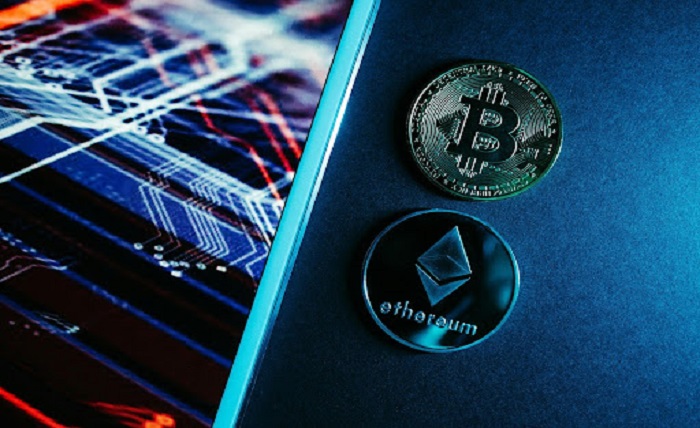
Five years ago, if someone told me cryptocurrency would shake up traditional banking this much, I’d have rolled my eyes. But here we are, watching crypto completely flip the script on how money works.
What started as this weird internet experiment has turned into something that’s genuinely changing finance. And I’m not talking about the usual “revolutionary technology” hype we hear every few months. This stuff is actually happening right now.
1. Decentralization and Financial Inclusion
Here’s what really gets me excited about crypto: it’s cutting out the middleman. No more waiting for banks to approve your transaction or charging you fees just to move your own money around.
Think about it – there are entire communities in rural Kenya or remote parts of the Philippines where the nearest bank is literally hours away. But if you’ve got a smartphone and internet access? You can send Bitcoin to someone on the other side of the world in minutes. That’s pretty incredible when you think about it.
I’ve seen stories of people in Venezuela using crypto to protect their savings from hyperinflation. Or migrant workers who don’t have traditional bank accounts finally having a way to participate in the digital economy. It’s not just theoretical anymore – this is happening to real people.
2. Enhanced Security and Transparency
Now, I won’t pretend blockchain is some magical solution to everything. But the transparency aspect is genuinely impressive.
Every transaction gets recorded permanently. You can’t just delete it or pretend it didn’t happen. I remember reading about this charity that started using blockchain to track donations – donors could literally watch their money flow from their wallet to the final recipient. No more wondering if your $50 actually helped build that school or just disappeared into administrative costs.
Sure, it’s not foolproof. But compared to the black box of traditional banking, it’s like night and day.
3. Cross-Border Transactions and Lower Fees
This one hits close to home for me. My cousin lives in Singapore, and sending her money used to be a nightmare. The bank would charge $25 in fees, take three business days, and somehow the exchange rate was always worse than what Google showed me.
With crypto? I can send her money in about 10 minutes for maybe $2 in fees. The difference is ridiculous.
Small businesses are catching on, too. A friend who imports goods from Thailand switched to using stablecoins for payments. He’s saving thousands per month in wire transfer fees. His suppliers get paid faster, he keeps more of his money – everyone wins.
It’s especially huge for people sending money back home to their families. When you’re working minimum wage and trying to support relatives overseas, those $30 Western Union fees really add up.
4. Empowering Peer-to-Peer Transactions
This might be the most underrated change happening right now. Platforms like LocalBitcoins let people trade directly with each other. No bank approval needed.
I’ve watched small business owners in countries with unstable currencies use P2P crypto trading as a lifeline. They can negotiate their own rates, choose who they deal with, and keep their businesses running when traditional banking fails them.
It’s not always smooth sailing – you need to be careful about who you’re dealing with. But having that option, that control over your own financial transactions? That’s something we’ve never really had before.
The whole system puts power back in people’s hands. Instead of banks deciding whether you’re worthy of their services, you can participate in the global economy on your own terms.
5. Expansion into Crypto-Powered Platforms
Crypto’s influence now extends beyond banking and remittances — it’s shaping digital platforms, especially in online gaming and entertainment.
A strong example is ACR Poker, widely regarded as a leader in crypto poker. By integrating Bitcoin and other cryptocurrencies for deposits and withdrawals, ACR Poker demonstrates how blockchain payments enhance online poker ecosystems.
Final Word
Here’s the thing – we’re still early in this transformation. Crypto isn’t perfect, and it won’t solve every financial problem overnight. But watching these changes unfold in real-time? It’s pretty remarkable.
Whether you’re skeptical or excited about crypto, these shifts are happening with or without us. The smart move is probably to understand what’s changing so you can make informed decisions about your own financial future.
The revolution isn’t coming – it’s already here.