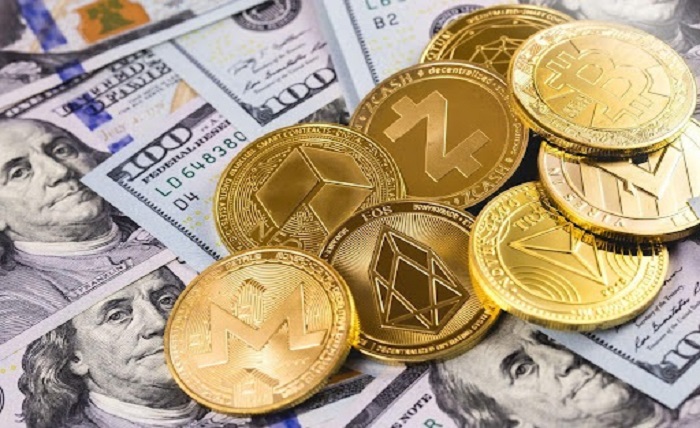
Exploring altcoins beyond Bitcoin and Ethereum can feel exciting, but also intimidating. With thousands of projects competing for attention, knowing which ones deserve a closer look is half the challenge. Instead of chasing buzz, many long-term investors are leaning toward projects with a clear sense of direction, healthy ecosystems, and transparent governance.
This guide highlights seven altcoins that may be worth considering by 2026.
Understanding What Makes an Altcoin Strong Long Term
Altcoins that stand the test of time tend to solve real problems and support active communities. Utility, token design, developer activity, and roadmap credibility all play essential roles. As the market matures, investors are becoming more selective, especially as regulation, security, and sustainability rise in importance. Even beginners can evaluate these factors by visualising price history, volatility, or ecosystem growth using simple charting tools; platforms like TradingView make these comparisons easier to digest without needing advanced skills.
Altcoins Worth Considering in 2026
Here are some of the strongest contenders for the year.
1. Polygon (MATIC): Helping Ethereum Scale for Everyday Use
High fees and network congestion have long been barriers for Ethereum users. Polygon approaches this challenge with faster, cheaper transactions and an environment that feels familiar for developers. It has quietly become a backbone for many Web3 applications, from gaming to corporate blockchain pilots. As more services look for efficient ways to onboard mainstream users, Polygon’s role becomes more important, not just complementary.
2. Arbitrum (ARB): A DeFi Hub Built for Speed
Arbitrum has earned a reputation as one of the most active and developer-friendly Layer-2 networks. Many DeFi builders prefer it because it mirrors Ethereum while offering lower transaction costs. Its ecosystem grows rapidly, often becoming the testing ground for new financial tools and community-driven protocols.
Although the network is still shaping its long-term governance model, its momentum hints at staying power.
3. Chainlink (LINK): Connecting Blockchains to the Outside World
Every smart contract needs reliable data to function, whether that’s price feeds, sports results, weather updates, or interest rates. Chainlink fills that gap through secure “oracle” networks. While it operates quietly in the background, its influence is felt across DeFi, insurance, gaming, and enterprise blockchain systems. As real-world adoption deepens, projects that depend on trustworthy data pipelines are starting to look first to Chainlink.
4. Polkadot (DOT): A Vision for a Connected Blockchain Ecosystem
Polkadot takes a collaborative approach rather than trying to dominate the blockchain landscape. Its “parachain” model allows multiple specialized blockchains to operate independently while still sharing security and communication layers.
This flexibility is attracting developers who want customization without isolation. And with interoperability becoming a defining theme across the industry, Polkadot’s architecture feels increasingly ahead of its time.
5. Aave (AAVE): A Pillar of the DeFi Lending Market
Aave has become one of the most trusted and widely used lending platforms in decentralized finance. Its appeal lies in its ability to offer diverse borrowing and lending options without relying on banks or central intermediaries. The protocol continues to expand into new features and cross-chain deployments, showing adaptability in a fast-changing sector.
As always with DeFi, risks remain smart-contract issues, and liquidity pressures can impact performance, but Aave has demonstrated resilience across multiple market cycles.
6. Render (RNDR): Decentralized Power for the AI and Creative Economy
As AI development accelerates, access to computing power has become increasingly valuable. Render steps into this space by connecting users who need processing power with those who have GPUs to spare. This marketplace model supports filmmakers, designers, AI researchers, and digital creators who often struggle with resource constraints. It also introduces a practical use of blockchain that extends far beyond finance, making Render a compelling watch for the coming years.
7. Cosmos (ATOM): A Toolkit for Building Independent Yet Connected Chains
Cosmos envisions a world where blockchains operate like cities, each with its own rules, identity, and design, yet linked through shared communication standards. This framework is appealing for teams who want independence without giving up interoperability. Its modular design encourages experimentation, and as more organizations explore custom blockchain networks, Cosmos is positioning itself as an adaptable foundation for innovation.
How Regulation May Shape Altcoin Growth by 2026
Regulation continues to reshape the crypto landscape. Frameworks such as the EU’s MiCA emphasize clarity, responsible governance, user protection, and transparent tokenomics. And while regulations may initially appear restrictive, they often help filter out weaker projects and create more confidence in the ecosystem. Investors who value long-term stability may increasingly favour tokens built with clear compliance pathways.
Key Risks To Consider Before Exploring Any Altcoin
Altcoins offer exciting potential but come with considerable risk. Prices can move sharply in either direction, especially for smaller-cap projects. Token unlocks, insider allocations, liquidity limitations, and global economic shifts can all influence performance.
Understanding these risk factors and evaluating them alongside your personal risk tolerance is essential before allocating funds. On top of that, keeping expectations realistic will help you avoid making emotionally driven decisions.
Research Should Inform Every Strategy
Altcoins worth considering in 2026 tend to share common traits: meaningful utility, active development, responsible governance, and the ability to evolve with the market. The seven examples here highlight different sectors shaping the next generation of blockchain technology. Use them as starting points for deeper research, and always pair curiosity with caution as you build your understanding of this fast-moving space.