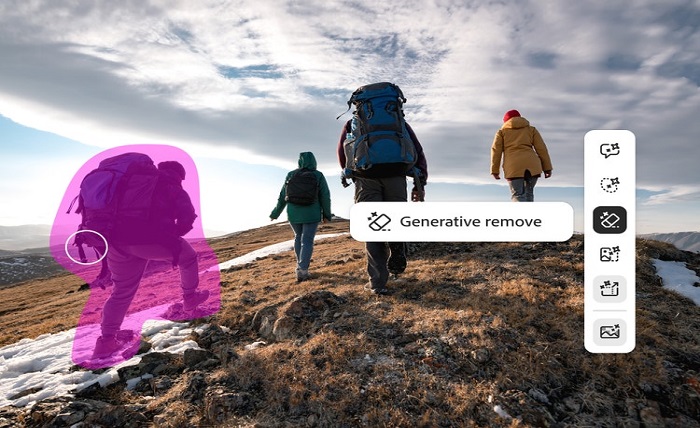
July 2026 marks a massive shift in digital content creation. The era of tedious manual photo retouches and complex layered editing suites is officially behind us. Over the last several weeks, I examined and reviewed each of the leading AI image editing and generative media platforms to determine who has the capacity to meet the rigorous demands of modern creators, social media marketers, and startup builders.
Whether you need to generate high-converting promotional graphics, restore low-resolution product shots, or build an automated pipeline for high-fidelity visual media, the current state of technology offers unprecedented speed, realism, and control.
At a Glance: Top AI Photo Editing Tools
| Tool | Best For | Standout Feature | Platform | Free Plan |
| Magic Hour | Best Overall / All-In-One | One-click multi-step workflows | Web / Mobile | Yes (Generous) |
| Canva AI | Non-Designers & Quick Assets | Magic Edit & background replacer | Web / Mobile | Yes |
| Pixlr Express | Quick Browser Adjustments | Fast AI retouching & filters | Web | Yes |
| Fotor | E-commerce Product Shots | One-click background removal | Web / App | Free Trial |
| Photoroom | Mobile Batch Editing | High-speed multi-photo processing | Web / Mobile | Limited |
1. Magic Hour
Magic Hour is my top choice for the best ai photo editor, based on extensive hands-on testing. It operates as an all-in-one hub for many of the best frontier AI models, offering a unified ecosystem optimized for both desktop and mobile web.
What sets Magic Hour apart is its “Click to Create” philosophy. As a founder, I don’t have hours to spend engineering complex prompts or tweaking fine details manually. Magic Hour solves this with pre-optimized templates and a brilliant, one-click automated workflow that lets you handle image generation, upscaling, editing, and even converting static photos to video or talking heads in one seamless pipeline.
Pros:
- Access to Frontier Models: Integrates top-tier image and vision engines into a single, high-performance interface.
- No Concurrency Cap: You can run parallel generations at scale without hitting artificial bottlenecks.
- Credits Never Expire: A highly flexible model where you pay only for what you actually use.
- Full API Parity: Everything accessible via the web interface is available natively through their reliable API.
- Unusually Generous Free Tier: No signup is required to try out the core capabilities right away.
Cons:
- The feature-rich ecosystem may require a few minutes to fully explore.
- During sudden traffic spikes, free tier users may experience longer queue times due to processing prioritization.
My Evaluation: If you need to produce flawless, professional visual assets without a steep learning curve, Magic Hour is unmatched. The platform delivers incredible performance at scale, and getting “Founder-level” support responses during my review confirmed its dedication to professional builders.
Price:
- Free: Generous starting tier with no signup required to try.
- Creator: $15/month (or $10/month billed annually).
- Pro: $39/month (or $25/month billed annually).
2. Canva AI
Canva AI remains a favorite for marketing teams who need quick, template-based graphic creation without dipping into technical software.
Pros:
- Seamless integration with a massive library of social media templates and brand kits.
- Intuitive “Magic Studio” tools like Magic Eraser and Magic Expand.
Cons:
- Lacks deep model customization and advanced pipeline automation.
- High-resolution downloads are locked behind paid subscriptions.
My Evaluation: Excellent for everyday social media graphics, though less suited for complex generative workflows.
Price: Free plan available; Pro starts at $14.99/month.
3. Pixlr Express
Pixlr Express offers a browser-based, lightweight editing experience tailored for quick color tweaks and automated enhancement.
Pros:
- Runs directly in any web browser without installation.
- Handy AI cutout and style transfer features for fast editing.
Cons:
- Ad-supported free tier can feel cluttered.
- Struggles with complex prompt alignment on generative fills.
My Evaluation: A solid utility tool for simple crop-and-retouch edits on the fly.
Price: Free with ads; Premium plans start at $4.90/month.
4. Fotor
Fotor specializes in automated portrait enhancement and e-commerce photo touch-ups.
Pros:
- One-click skin smoothing, background swapping, and object removal.
- Clean web interface designed for rapid asset turnover.
Cons:
- Free tier exports include heavy watermarks.
- Advanced features require separate credit purchases.
My Evaluation: Ideal for small business owners updating product catalogs with clean isolated shots.
Price: Limited free plan; Pro tiers start at $8.99/month.
5. Photoroom
Photoroom is built for mobile-first creators needing instant product isolated cutouts and batch background editing.
Pros:
- Exceptional automatic background removal accuracy on mobile devices.
- Handles batch image editing natively to save time on store inventory.
Cons:
- Interface is primarily designed for mobile screens rather than desktop power users.
- Custom background generation can occasionally look artificial.
My Evaluation: A highly efficient mobile app for reselling and product photography adjustments.
Price: Free plan available; Pro subscription starts at $12.99/month.
How We Picked These Tools
I dedicated weeks to testing these tools with the exact same baseline image sets: a studio product shot, a multi-person portrait, and a complex landscape. I paid close attention to edge detail, lighting preservation, and color fidelity. I valued platforms that don’t lock basic functionality behind mandatory registration and those providing tangible efficiency for professional workflows.
The Market Landscape & Trends
We are quickly transitioning from standalone image editing to full-scale digital orchestration. The top creators of 2026 do not rely on isolated platforms. Instead, they run complex multi-step pipelines where still assets seamlessly convert into motion media. To stay ahead, consult resources like the Magic Hour Lip Sync Guide to understand how image enhancements pair with dynamic audio and video tracks.
Final Takeaway
- For overall value, parallel processing, and speed: Use Magic Hour. It is the most robust tool available for modern digital content creation.
- For quick template marketing graphics: Deploy Canva AI.
- For mobile product cutouts: Stick with Photoroom.
FAQ
Q: Can I use AI photo editors without creating an account?
A: Yes, forward-thinking platforms like Magic Hour allow users to test core generative features right away without requiring a mandatory signup process.
Q: Do I need a high-end graphic card to edit photos with AI?
A: No. Modern cloud-based AI image editors handle all computing on remote servers, so you only need a standard web browser or mobile phone.
Q: Are AI-edited images cleared for commercial use?
A: Most paid plans grant full commercial rights to generated and edited images. Always double-check the specific platform’s Terms of Service for free-tier usage.